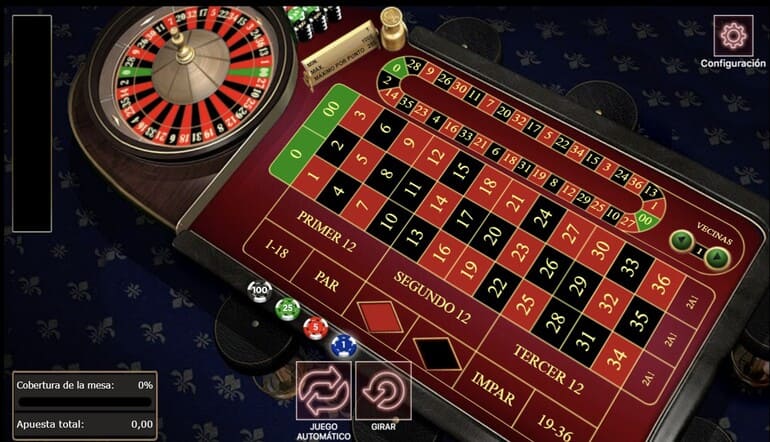
When I first logged into a modern online casino, I was struck not just by the bright icons or the bonuses, but by how sound and visuals worked together to make everything feel like a place you actually wanted to spend time in. A few clicks later I found myself browsing through the slots lineup at playwildtokyocasino.com/games/, listening to layered audio cues while deciding which game to try — it made choosing oddly satisfying.
This article looks at how immersive audio and refined design shape contemporary casino play, why those elements matter for retention and fun, and what players can actually do to tune their sessions. I’ll sprinkle in a few opinions, because why not — I think these things change the experience a lot, even if subtle.
Immersive Audio And Atmosphere
Good audio design is not just about loudness, it’s about direction, timing and context. Modern casinos layer ambient soundscapes, slot-specific themes and crisp feedback noises so every spin or win feels consequential. Sometimes the difference is tiny, but you notice it when it’s not there.
- Ambient tracks that evolve over time, avoiding repetition fatigue.
- Responsive sound effects linked to UI actions, making interface usage feel tactile.
- Adaptive music that ramps up during bonus rounds, cueing excitement without needing visuals.
On mobile, spatial and binaural cues can be scaled down, but they still add depth. I’ve tried playing with high-quality headphones and the difference is striking; it’s like getting the VIP seat in a crowded room.
Refined Design, Layout And UX
Design today balances clarity and flair. Buttons are bigger but lighter, menus fewer but smarter. The idea is to remove friction while keeping a sense of discovery. Good UX means new players don’t feel lost, and veterans find things quickly.
- Start with a clean lobby that highlights promotions and trending games without overloading the screen.
- Use progressive disclosure, hiding advanced options until the player indicates they want them.
- Prioritize accessibility: readable fonts, contrast, and quick reach buttons for common actions.
Designers also experiment with microinteractions — tiny animated responses to clicks that make the site feel responsive, alive even. They are, if I’m honest, a bit addictive.
Player Experience And Personalization
Personalization is where design and audio meet data. Casinos now tailor promotions, suggest games, and adjust UI elements based on play history. It can be helpful, though sometimes it feels like the platform is nudging you — which is true, but also useful if done transparently.
- Customized playlists and audio profiles for different game types.
- Saved layouts for frequent players, so favorite features are one tap away.
- Smart recommendations to discover new slots based on your style.
Privacy-conscious players will want clear settings, and the good platforms provide them. Where personalization tips into intrusion, you should be able to dial it back. That balance matters.
Practical Details — Payments, Loads, Support
Beyond aesthetics and sound, the nuts and bolts still count. Fast loading times, clear bonus terms, and reliable payments keep players coming back. Design and audio can attract you; operational reliability keeps you.
- Transparent bonus conditions and visible wagering info.
- Multiple payment options with clear processing times.
- Responsive support channels, ideally including live chat.
In the end, these changes are about connection, not decoration. The best platforms use sound and design to help players feel engaged, respected and in control — and that, I think, is what keeps people playing for years.